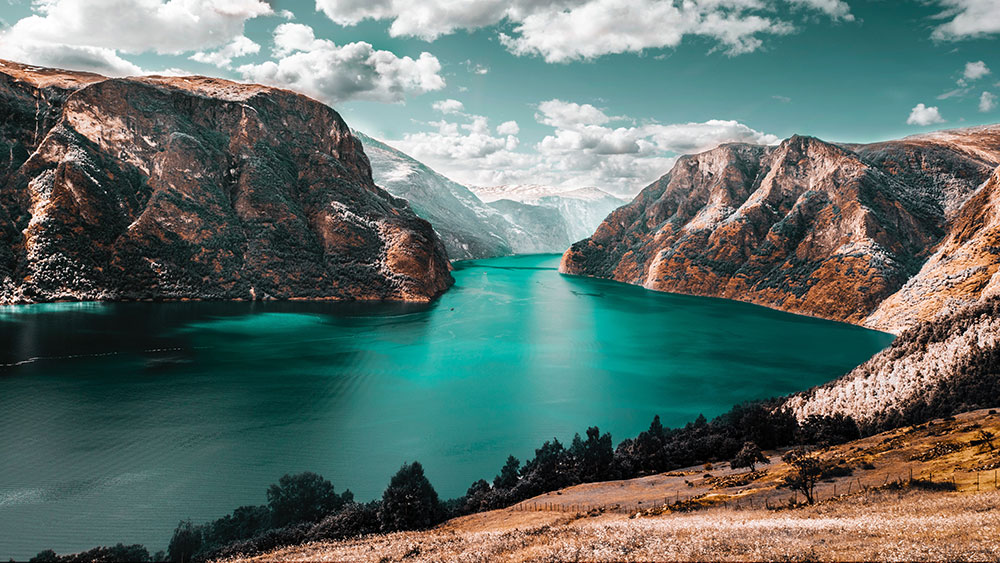

Meta Title: Solo Travel Tips: The Ultimate Guide for 2026 | SoloAlley Meta Description: Everything you need for your first solo trip — from planning and budgeting to safety and packing. Real tips from real solo travelers. Category: Solo Travel Tips Tags: solo travel, solo travel tips, traveling alone, beginner travel, travel safety URL Slug: solo-travel-tips Featured Image Alt Text: Solo traveler with a backpack looking at mountain scenery at sunrise
Solo travel changes you. There’s no other way to put it. The moment you step off that plane in a country where nobody knows your name, something shifts. You become braver, more resourceful, and surprisingly comfortable with your own company.
But getting to that point? That’s where most people get stuck. The planning, the “what ifs,” the well-meaning friends who ask, “Isn’t that dangerous?”
This guide is here to get you unstuck. Whether you’re planning your very first solo trip or looking for fresh tips to make your next one even better, these are the real, practical strategies that actually work — tested across 50+ countries by solo travelers who’ve been exactly where you are right now.
Why Solo Travel Is Worth Every Moment of Anxiety
Let’s be honest: the idea of traveling alone is terrifying at first. Your brain comes up with a hundred reasons why it’s a bad idea. But here’s what nobody tells you — that anxiety is temporary. The confidence you gain is permanent.
Solo travel teaches you to trust your instincts. When you navigate a foreign subway system at midnight, negotiate prices at a street market, or find your way to a hidden beach using nothing but hand gestures and a downloaded map, you learn something no classroom can teach: you’re more capable than you thought.
Beyond personal growth, there are practical benefits too. You move at your own pace. Want to spend four hours in that tiny museum nobody else cares about? Go ahead. Want to skip the famous temple and eat street food all day instead? No group vote needed.
And here’s the secret most solo travel blogs won’t tell you: you’re never really alone. Solo travelers are magnets for conversation. Locals are more likely to approach one person than a group. Hostel common rooms are designed for exactly this. You’ll meet more people traveling solo than you ever would with a companion.
How to Plan Your First Solo Trip (Without Overthinking It)
Planning is where dreams die. People spend months researching the “perfect” destination and never actually book a flight. Here’s a simpler approach:
Pick a Destination That Matches Your Comfort Level
If this is your first solo trip, start somewhere that balances adventure with ease. You want a place with good tourist infrastructure, where English is widely understood (if that’s your language), and where the culture is welcoming to solo visitors.
Great first-time solo destinations:
- Japan — Incredibly safe, efficient public transport, English signage everywhere. Solo dining is completely normal here (they even have solo ramen booths).
- Portugal — Affordable, friendly locals, walkable cities, strong cafe culture perfect for solo travelers.
- Thailand — Budget-friendly, massive solo traveler community, easy to navigate even without Thai language skills.
- Colombia — Warm people, affordable, stunning variety of experiences from cities to beaches to mountains.
- New Zealand — Safe, English-speaking, designed for backpackers with well-marked trails and hostels everywhere.
Book the First Two Nights, Leave the Rest Open
Here’s the planning approach that works: book your flight and your first two nights of accommodation. That’s it. You need a place to land and decompress after travel, but after that, give yourself permission to be flexible.
Over-planning kills the best part of solo travel — spontaneity. The Australian you meet at breakfast might invite you to a waterfall hike. The hostel owner might recommend a village that’s not in any guidebook. You can’t say yes to these moments if every hour is pre-scheduled.
Get Your Documents Sorted Early
The boring stuff matters most:
- Passport — Check expiration. Many countries require at least 6 months of validity remaining.
- Visa requirements — Check well in advance. Some countries offer visa on arrival, others need advance applications that take weeks.
- Travel insurance — This is non-negotiable. A good policy costs around $40-80 per month and covers medical emergencies, trip cancellations, and stolen gear. World Nomads and SafetyWing are popular with solo travelers.
- Copies of everything — Email yourself scans of your passport, insurance policy, and booking confirmations. Take photos on your phone too.
The Real Talk on Solo Travel Safety
This is the section everyone skips to first, so let’s address it head-on.
Solo travel is statistically safer than most people think. You’re more likely to have an accident driving to work than you are to face a serious incident while traveling. That said, being smart about safety isn’t paranoia — it’s just good travel sense.
General Safety Rules That Actually Matter
Trust your gut. If a situation feels off, leave. You don’t owe politeness to anyone who makes you uncomfortable. This is the single most important safety tip, and it applies everywhere in the world.
Share your itinerary. Send a trusted friend or family member your rough plan. Use WhatsApp location sharing when you’re in transit. Check in regularly — not because you’re in danger, but because it gives everyone peace of mind.
Avoid arriving at night. When possible, schedule flights and buses to arrive during daylight hours, especially in unfamiliar cities. If you must arrive late, pre-book a transfer from the airport.
Keep your valuables boring. A plain black backpack attracts less attention than a flashy one. Use a money belt or hidden pocket for your passport and backup cash. Leave expensive jewelry at home.
Learn three phrases in the local language: “Hello,” “Thank you,” and “Help.” These go further than you’d think.
Safety for Specific Travelers
For women traveling solo: Research dress codes for your destination. Join female solo travel communities online (they share real-time safety updates). Consider staying in female-only dorms at hostels. Trust your instincts even more — if a recommendation from a stranger feels pushy, decline.
For men traveling solo: You face different risks than women — primarily scams and drink-spiking (yes, it happens to men too). Be cautious with new drinking buddies in tourist areas. Watch your drink.
For LGBTQ+ travelers: Research local laws and attitudes before you go. Some countries that are unsafe on paper have accepting tourist areas, while some “friendly” countries have regional variations. Apps like Nomadic Boys and Queer In The World have country-specific guides.
Budgeting: What Solo Travel Actually Costs
One of the biggest myths about solo travel is that it’s expensive because you can’t split costs. While you do pay more for single-occupancy rooms, solo travel actually saves money in other ways — you eat what you want, skip expensive group tours, and make spontaneous budget-friendly choices.
Daily Budget Benchmarks (2026)
Here’s what solo travelers actually spend per day in popular destinations:
| Region | Budget (Hostel/Street Food) | Mid-Range (Private Room/Restaurants) | Comfortable (Hotel/Tours) |
|---|---|---|---|
| Southeast Asia | $20-35/day | $50-80/day | $100-150/day |
| South America | $25-40/day | $50-90/day | $120-180/day |
| Eastern Europe | $30-45/day | $60-100/day | $130-200/day |
| Western Europe | $50-70/day | $100-160/day | $200-350/day |
| Japan/Korea | $45-65/day | $80-130/day | $150-250/day |
| North Africa | $25-40/day | $50-80/day | $100-150/day |
These include accommodation, food, local transport, and basic activities. Flights are extra.
Money-Saving Tips That Actually Work
Use a no-fee travel card. Banks like Wise (formerly TransferWise) or Revolut charge zero foreign transaction fees. This alone saves 3-5% on everything you spend abroad.
Eat where locals eat. If the menu is in English and there are photos of the food, you’re in a tourist restaurant paying tourist prices. Walk two blocks in any direction and find where the locals go.
Travel slowly. Moving to a new city every day is exhausting and expensive. Stay 3-5 nights in each place. You get weekly discounts on accommodation, learn which cheap restaurants are actually good, and spend less on transport.
Cook sometimes. Book accommodation with kitchen access. Even making breakfast and lunch yourself saves a significant amount over a long trip.
What to Pack (And What to Leave Behind)
Every solo traveler makes the same mistake on their first trip: packing too much. You don’t need a different outfit for every day. You need layers, versatility, and the ability to carry everything on your back without wanting to cry.
The One-Bag Packing Philosophy
If it doesn’t fit in a single carry-on sized backpack (40-45 liters), you’re bringing too much. This isn’t minimalism for its own sake — it’s freedom. With one bag, you skip baggage claim, walk past long taxi queues to the bus stop, and climb hostel stairs without breaking a sweat.
Packing Essentials Checklist
Clothing (aim for 5-7 days of outfits that mix and match):
- 4-5 t-shirts/tops (quick-dry material is worth the investment)
- 2 pairs of pants/shorts
- 1 light jacket or hoodie
- 1 rain shell (packable)
- 7 pairs of underwear
- 3 pairs of socks
- 1 swimsuit
- 1 nicer outfit for going out (a clean dark shirt works everywhere)
Footwear:
- 1 pair of comfortable walking shoes
- 1 pair of sandals or flip-flops
Tech:
- Phone + charger
- Universal power adapter
- Portable battery pack (10,000mAh minimum)
- Headphones
Toiletries (keep it minimal, you can buy most things anywhere):
- Travel-sized basics
- Sunscreen
- Any prescription medications (bring extra and keep them in original packaging)
Documents & Money:
- Passport
- Travel insurance card/details
- Backup debit card (separate from your main one)
- Small amount of local currency for arrival
Meeting People as a Solo Traveler
“But won’t you be lonely?” is the question every solo traveler gets asked. The answer: sometimes, and that’s actually okay. Loneliness is part of the experience, and it passes quickly — usually as soon as you walk into a hostel kitchen.
Where Solo Travelers Actually Meet People
Hostels remain the number one meeting spot. Even if you’re not a 20-year-old backpacker, many hostels now have private rooms with access to common areas. That kitchen, that rooftop bar, that free walking tour the front desk recommends — these are where friendships form.
Free walking tours are incredible for solo travelers. You explore the city, learn history, and walk alongside a group of people who are usually also traveling alone.
Local experiences and classes. A cooking class in Bangkok, a surf lesson in Bali, a pottery workshop in Oaxaca — shared activities create instant bonding.
Apps designed for travelers. Couchsurfing Hangouts (for meeting locals), Meetup (for group activities), and Hostelworld’s social features all work well.
The Art of Being Alone
Here’s something most travel blogs won’t say: learning to enjoy your own company is one of the greatest gifts of solo travel.
Eat dinner alone and actually taste the food. Sit in a park and watch a city go by. Journal. Walk without a destination. These moments of solitude aren’t the gaps between social interactions — they’re the heart of the solo travel experience.
Essential Apps Every Solo Traveler Needs
Your phone is your most valuable travel companion. Here are the apps that solo travelers consistently rely on:
- Google Maps — Download offline maps for your destination before you leave. This works without Wi-Fi and has saved countless travelers.
- Google Translate — The camera translation feature is magical. Point your phone at a menu, street sign, or document and it translates in real time.
- Wise or Revolut — For no-fee international payments and ATM withdrawals.
- Hostelworld or Booking.com — For last-minute accommodation with reviews from other solo travelers.
- Maps.me — Backup offline maps with hiking trails and points of interest that Google sometimes misses.
- XE Currency — Quick currency conversion so you know what you’re actually spending.
Your Solo Travel Checklist: Before You Go
Here’s everything in one checklist you can screenshot:
- ✅ Passport valid for 6+ months
- ✅ Visa requirements checked
- ✅ Travel insurance purchased
- ✅ First 2 nights accommodation booked
- ✅ Flight booked
- ✅ Documents scanned and emailed to yourself
- ✅ Travel debit card set up (Wise/Revolut)
- ✅ Itinerary shared with someone you trust
- ✅ Offline maps downloaded
- ✅ One bag packed (under 45L)
- ✅ Phone plan sorted (local SIM or eSIM like Airalo)
- ✅ Small first-aid kit packed
- ✅ Bank notified of travel dates
The Only Advice That Really Matters
You can read every blog post, watch every YouTube video, and plan every detail — but at some point, you have to book the flight. The perfect trip doesn’t exist. The weather might be bad. You might get lost. The famous restaurant might be closed.
And none of that matters. Because you’ll find something better around the corner. That’s the magic of solo travel — it forces you to adapt, and in adapting, you discover things about the world and yourself that no amount of planning could have predicted.
So book the flight. Pack the bag. Walk out the door.
Your alley to solo adventures starts with a single step.
What’s your biggest concern about solo travel? Drop a comment below — I read and reply to every one.
If you found this guide helpful, check out our [Solo Travel Destinations for 2026] and [Solo Travel Packing List] for even more detailed guides.